
The indoor air quality industry has convinced homeowners that breathing clean air means investing thousands in high-tech equipment and constant professional maintenance. Meanwhile, your home’s air could be silently affecting your sleep, focus, and health while you wait to save up for those “essential” solutions. The truth? Most air quality issues stem from overlooked basics that cost almost nothing to address.
Here’s what the expensive marketing campaigns don’t want you to know: improving your home’s air quality is less about buying gadgets and more about understanding simple maintenance principles. Let’s dismantle the myths keeping your air stale and your bank account empty.
Myth vs Reality:
1:You Need an Expensive Air Purifier → Your HVAC Filter Is Already Doing Heavy Lifting
The market for air purifiers is furled by your fear of invisible pollutants. Although air purifiers are useful, as a homeowner, you ignore the filtration system you already possess in your home: the HVAC filter. The box-like piece of pleated material that costs between $5 and $30 changes hundreds of cubic feet of air every day through your heating and cooling system.Change the filter every 30-90 days as per your pet, allergy, and usage conditions. While selecting the filter, always choose MERV ratings in the range of 8-13. Any rating above 13 will further constrict the airflow, thereby straining the system. Set a reminder or rather go for the filter subscription service that sends filters to your house
This single habit eliminates dust, pollen, and pet dander more effectively than letting a $400 purifier run in one room while ignoring the system circulating air throughout your entire home.

For rooms without HVAC vents, a $30 box fan with a furnace filter taped to the back creates a DIY purifier that costs pennies to operate. The internet calls it the “Comparetto Cube,” and studies have shown it rivals commercial units in particle reduction.
2:Mold Requires Professional Remediation →Small Patches Need Vinegar and Vigilance:
For problems that may be resolved with products that cost less than $20, Mold removal firms will estimate hundreds or thousands of dollars.After an hour, scrape with a brush.
Michael Valverde suggests that “the ultimate solution to the problem is not merely getting rid of the mold that is currently there but addressing the cause of the moisture that permitted the mold formation.” Look for probable leak-prone places around your home, such as the basement or under the sink. “A $15 humidity gauge will reveal if your residence is at or over 60% relative humidity, the point when mold begins to form,” says Valverde. When having a shower, make sure your bathroom fans are running, but keep them running for twenty minutes afterward. When cooking, open the window.
You have a moisture issue if you discover that mold is growing again in the same location. Occasionally, that
3: Opening Windows Brings in Dirty Outside Air → Fresh Air Circulation Beats Stagnant Indoor Air
It gets so sealed that the air inside can be 2-5 times more polluted compared to the air outside, says the Environmental Protection Agency. This means your house compiles the pollutants arising from the furniture, the cleaners, and the construction materials. The pollutants are continuously released into this closed environment, which takes mere seconds to dilute if the air were outside.Try keeping some window opened on one side of your home and another window opened on another side of your home for 10-15 minutes in a day. This simple act flushes out accumulated VOCs, excess carbon dioxide from breathing, and cooking odors. Yes, pollen enters during peak seasons, but the trade-off favors fresh air circulation over chemical accumulation. Time your window opening for early morning or evening when pollen counts drop.
Crack windows for five minutes during the chilly months. The improvement to air quality is significant, yet the energy cost is little.
Your home doesn’t need to maintain outdoor temperature—just exchange the stale air mass for a fresh one.
4: The dust settles on its own → You are breathing it as it recirculates.
With every step you take and door you close, the dust circulates about your HVAC system, briefly settles, and then is thrown back into the air. This cycle has been repeated dozens of times by every dust particle that crosses the beam of sunlight in front of your eyes.
The vacuum must have a HEPA filter and be cleaned once a week, beginning at the top of the room and working its way down. This permits the particles that have been disturbed but have not yet been cleaned up to fall.The microfiber cloths pick up particles by static, rather than the way feather dusters do, which just spread particles around. Sometimes having moist, but not saturated, microfiber towels is beneficial.
You may reduce the amount of dust and pollutants that enter your house by up to 80% by simply taking off your shoes at the door. Use removable mats in front of and inside entrances. Dust gets into your home on shoes, clothes, and pets; thus, stopping it at the door will prevent its distribution throughout.
5:Plants Are Natural → They’re Lovely but Not Sufficient
The myth of “plants clean air” grew from a NASA experiment in sealed environments back in 1989, which is, of course, far from the reality of the drafty household conditions that most people are dealing with today. For efficient air cleansing from plants, you would need about one plant for every 100 sq. ft. of floor space, and they are not efficient at all.
It’s far from rendering plants ineffective, though. Plants release humidity, which is a good thing in arid climates, help with moods, and provide aesthetics. Boston ferns, spider plants, and snake plants are basically unkillable and marginally effective at cleaning the air. Just don’t expect it to substitute air quality maintenance, for instance.
6:Your Dryer Vent Is Fine → It’s Probably Clogged and Dangerous
As collected lint passes through the filter screen, dryer vents gradually clog. Soggy air with more lint returns to your laundry room because of the obstruction. Furthermore, the accumulation of lint in the vent pipes results in around 15,000 house fires per year. It merely takes 30 minutes to fix and costs less than $30.
Purchase a kit from any hardware shop to use a brush to clean your dryer vent. To pass through your flexible brush to your external vent, you will need to separate your vent from the rear of your dryer. If you run two loads a day, repeat this method twice a year or four times a year. Additionally, you should clean your vent area while it is unplugged to get rid of the incredible amount of lint that has accumulated.
Check the external vent flap as well. If the dryer is not running, this flap must close. Keeping the flap open allows outside air to enter your dryer vent. Replace broken flaps immediately.
7:Air Quality Is Someone Else’s Problem → You Control It Daily
The idea that a machine or knowledge is required for air quality is the most expensive myth. Everyday routines like taking off shoes, managing humidity, keeping a filter, and ventilation can help you manage the quality of the air. This can all be done without cost, just focus.
Think of home air quality as preventive health care. Small, consistent actions prevent the expensive problems that require professional intervention. Over time, selective window use, weekly vacuuming, and a single 10-minute filter change result in much better air quality and cleaning.
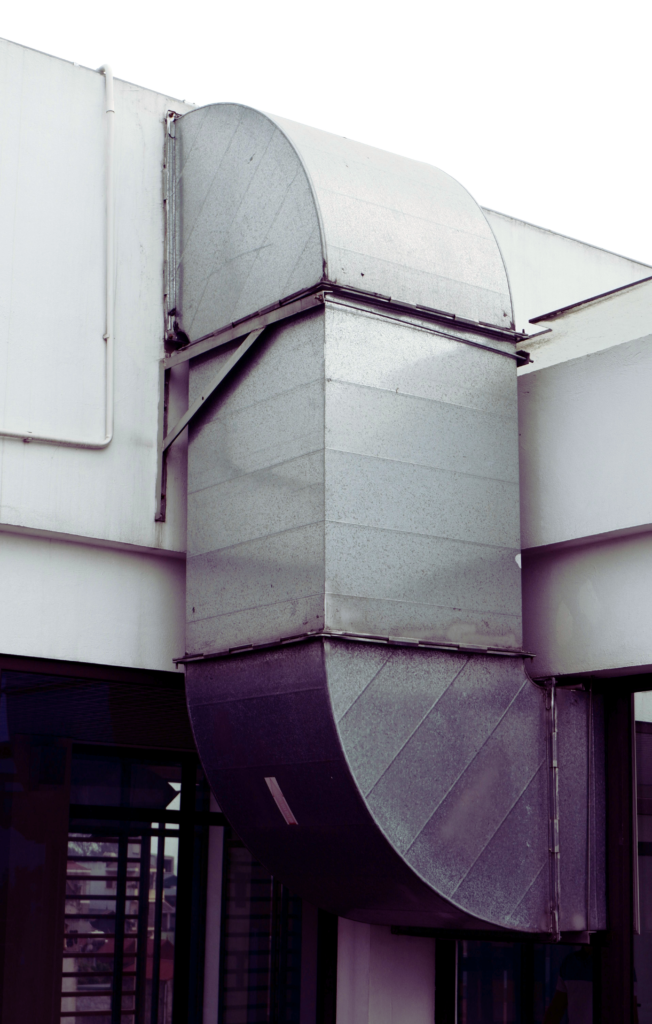
Your indoor air quality reflects your maintenance practices, not your budget.
A $300,000 home with neglected basics has worse air than a modest apartment with attentive care.
Let go of the belief that clean air requires a fat wallet—and start making the simple maintenance moves that work. Your lungs and bank account will thank you.
Advantages
Gives home owners useful and affordable solutions by turning their attention from costly equipment to simple routines that everyone can follow regarding HVAC filter change and ventilation.
Dispels myths with profit motives (such as the reliance on air purifiers and plants) and replaces them with sound arguments based on science.
Draws attention to hidden risks, like clogged dryer vents, by offering easy safety tips to avoid life-threatening situations like house fires.
Cons
May underestimate the need for professional assistance, where severe mold colonization and indoor air problems can suggest the presence of hidden issues such as leaks and inadequate ventilation.
May cause regional challenges to be underestimated, since recommendations such as “open windows” are not as easily applicable in regions prone to heavy air pollution, wildfires, and seasonal allergies.
“Oversimplifies the HVAC filter information, as an incorrectly installed high MERV filter can indeed put strain on an older system, but it is not described how one should evaluate one’s specific installation.”
📚 Sources
1: Environmental Protection Agency. Indoor Air Quality
2: NASA’s Air Clean Study. (1989). Interior Landscape Plants to Reduce Indoor Air Pollution.